Care & Display Of Your Antique Quilt
Using good common sense will bring you years of enjoying your antique quilt. There are some guidelines that will be
suggested, but remember these are my personal thoughts. Quilts are very individual and what works for one will not
always be good for another. I am asked frequently how to display, store and clean an antique quilt.
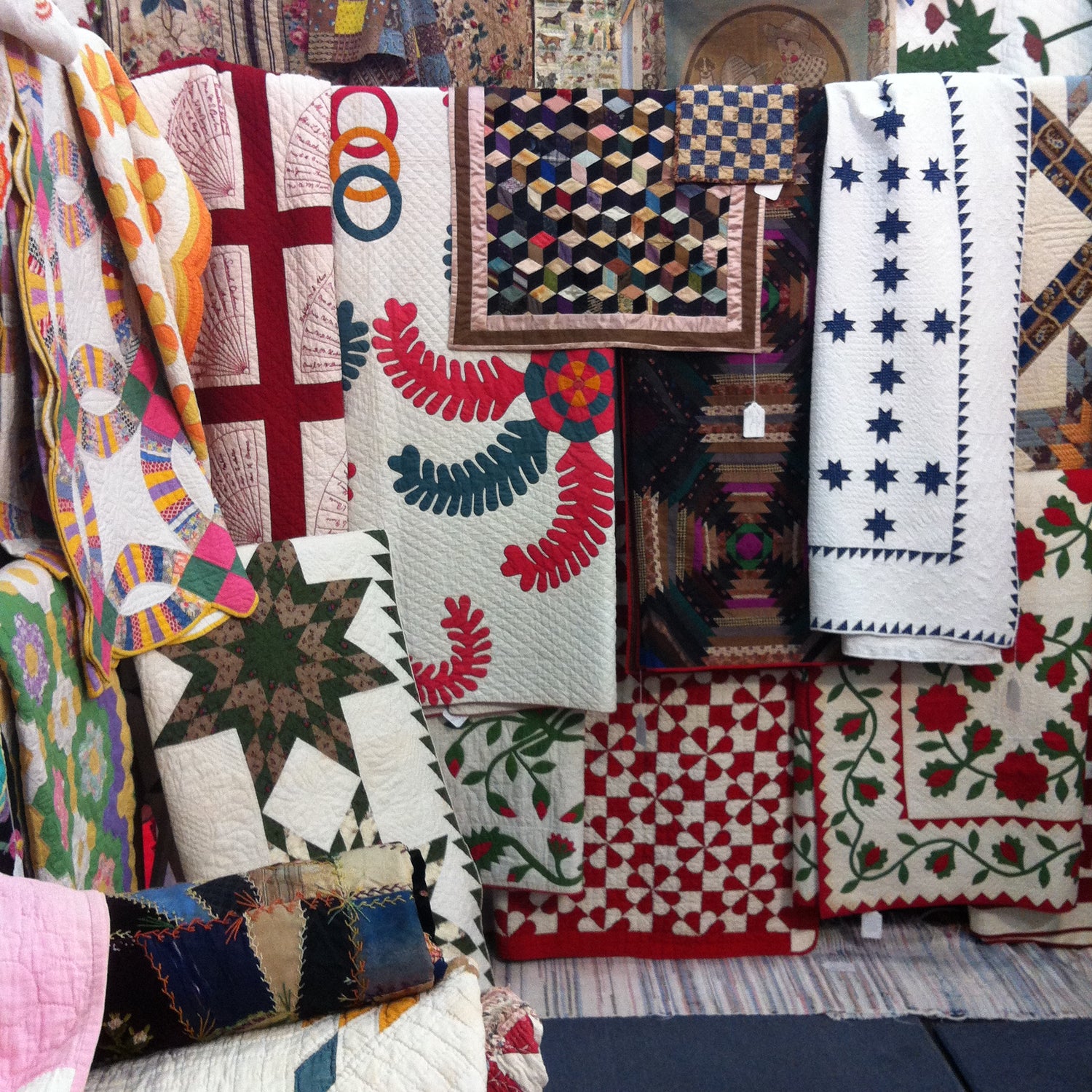
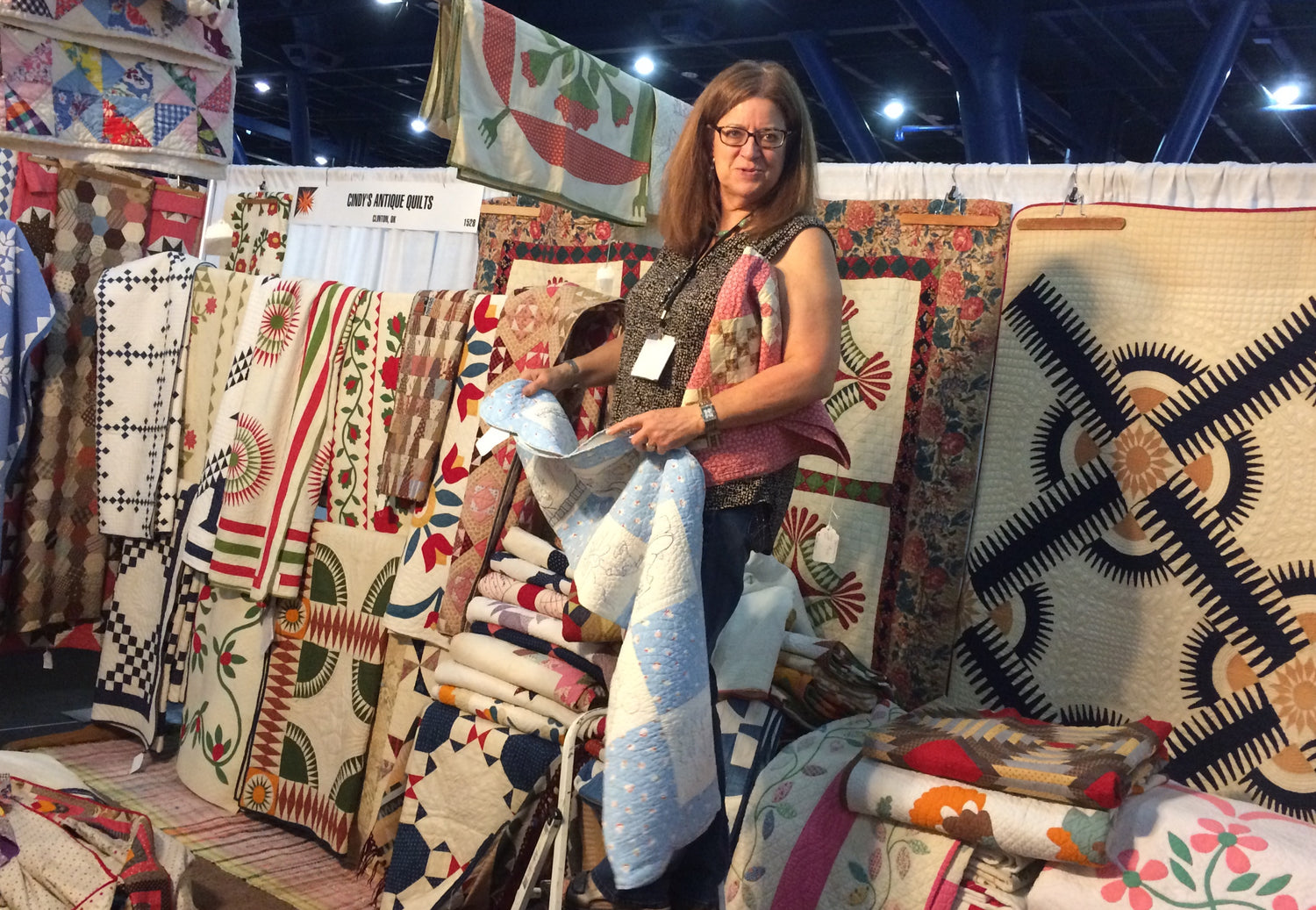
Displaying your quilt: I respond to the question of how to display your old quilt. Use it in the way you will enjoy it
most depending on the age, condition and value. Many of the quilts I have sold, customers use them on the beds, guest
beds, at the ends of the bed just folded or even layed on the bed with the corners of the quilt at the top and bottom,
like a diamond on the bed. Having a quilt display rack is good or something very popular is the see through quilt
display cases. These can be purchased at trade shows and probably online. There are many types of ways to display a
quilt on a wall. There are rods or wood shelves with a rod underneath in which to hang the quilt. Be sure the wood has
been treated with a protective finish and is not raw wood. One can sew a sleeve on the back top edge of the quilt or
just drape the quilt over the rod. There are also frames that one can put Velcro on the frame and baste Velcro on the
quilt, for a framed effect. I know of quilts used for table covers or draped over doors or cabinet doors. They are
often draped on a chair or sofa back. They look good too just folded on a shelf or in a cabinet so one just sees the
edges. One thing to remember, don't leave the quilt in the same way all the time or you'll end up with a fade or fold
line.
Try not to have the quilt in direct sunlight. If hanging the quilt rotate it just as you might on a bed or change the
direction it is displayed. I have always felt that a quilt just put away in the closet isn't getting the attention it
deserves, other than when using the quilt on a rotating basis and letting it rest for awhile. Of course if you have
several quilts which is great, then storing them is necessary. There are some quilts one might be saving to pass on to
other family members. You might want to read next on how to store and care for your old antique quilt.
I recommend taking care of your quilt so it will last for years and may be passed on for future generations. Often
caring for an antique quilt can be an undertaking especially for the highly collectible, museum quality type quilts.
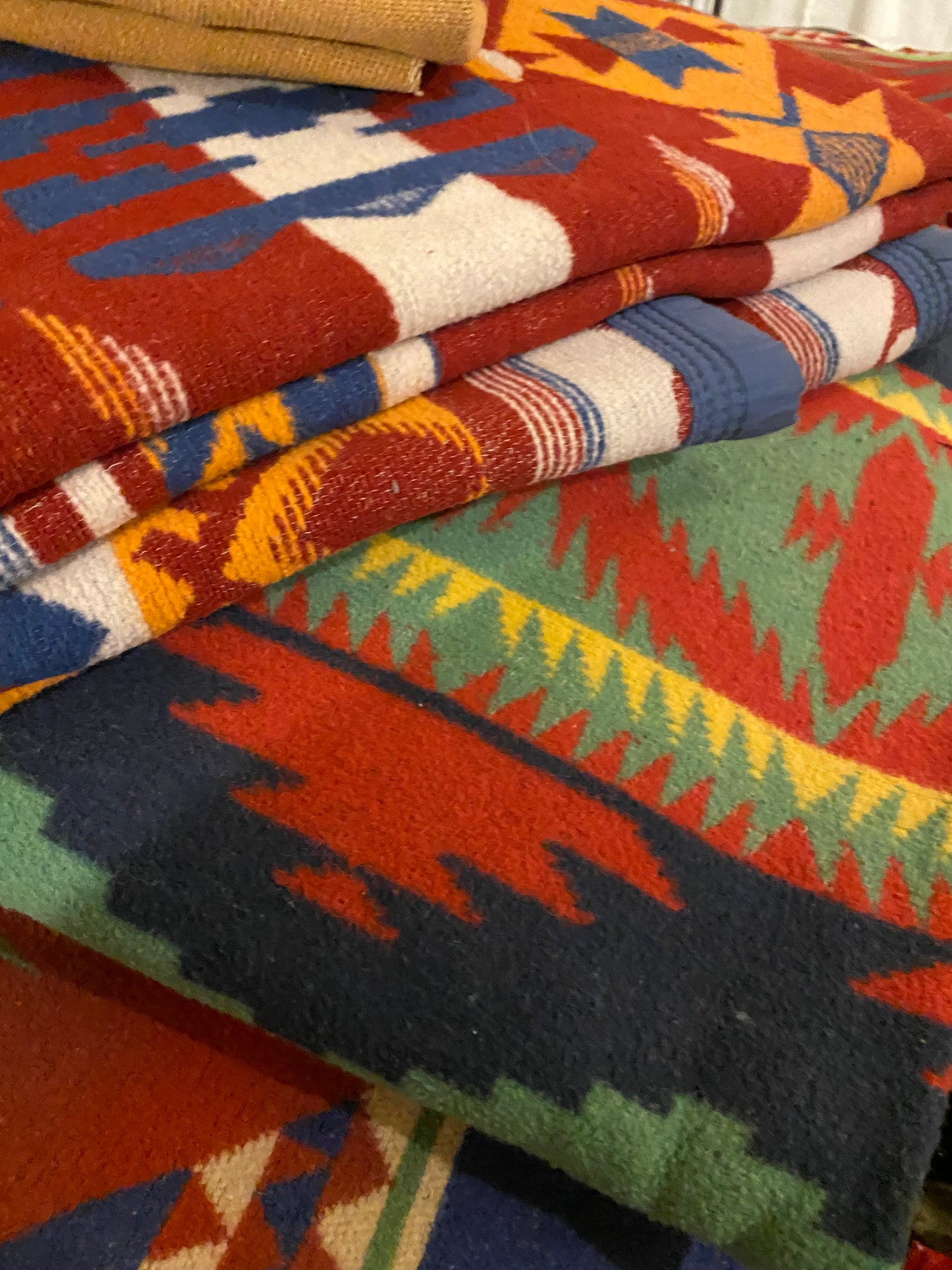
Quilts put in storage can be rolled and put in clean pillowcases or rolled with a sheet as padding. I always suggest
that the quilt be rolled or if folded, doing it off center, to help prevent the fold creases. Stored quilts can be
layered opened up on an unused bed and then one might also sandwich a sheet in-between the quilts to prevent possible
color dye transfer, if a quilt is likey to do so. It is recommended when folding quilts for storage to pad the folds
with either acid free tissue or if desired clean fabric, such as sheet strips or I have used clean offwhite feedsack
fabric. Generally a quilt is folded with the pattern in with the backing to the outside. Fade is one thing you don't
want your quilt to acquire. Also the washing machine has ruined many a quilt. There are many ways to clean a quilt, but
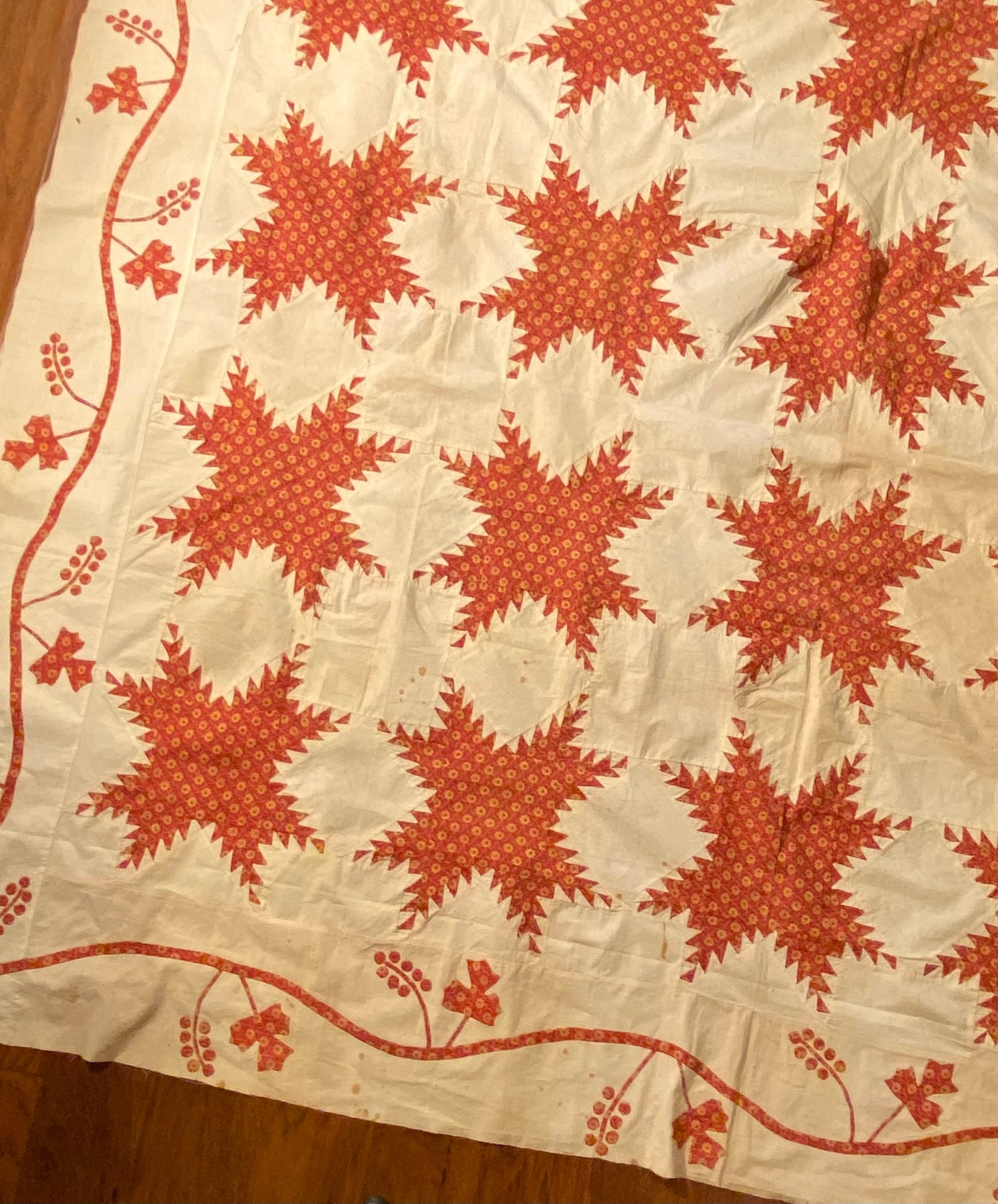
one must do it with much care and experience helps. I have seen through out the years a few slight age spots are more
acceptable to most than a bleached spotless, but damaged quilt. Yes, a clean quilt might be more desirable for some
buyers, but there is a limit to what some quilts can handle and knowing the difference is the key. Some quilts just
shouldn't be washed at all. Also, I don't recommend dry cleaning.
A hand held vacuum attachemnt with a hose or as I have used, coffee filters over the end can rid a quilt of surface
dust and debris. Be careful though that the suction is not too strong. I am always amazed at the dust that accumulates
when using the white coffee filter over the end. Raw wood is also an enemy of your quilt, so in storing be sure that
the wood has been sealed with a poly finish and line the wood with cloth.
More to come on this subject.